Benefits of Media Workshops
The Benefits of Media Workshops
In today’s fast-paced, communication-driven world, the ability to express ideas clearly, work collaboratively, and adapt to new learning environments has never been more important. Media workshops are increasingly recognised as a powerful way to develop these essential skills, offering participants an engaging and practical approach to learning.
Organisations such as Paul Marcus Media provide dynamic, interactive workshops designed for schools, businesses and community groups. You can explore more about their services at www.paulmarcus.co.uk.
Inclusivity at the Heart of Learning
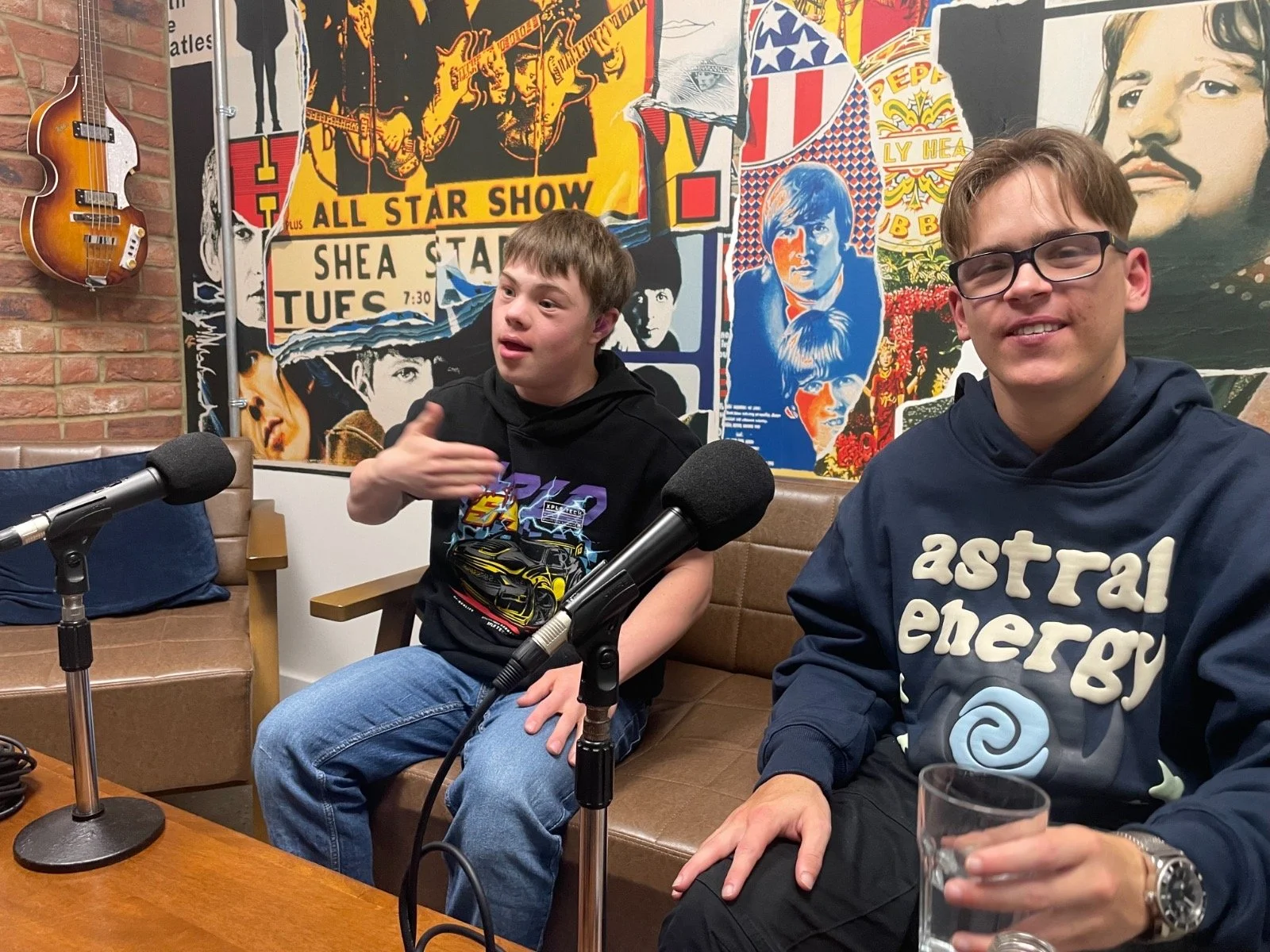
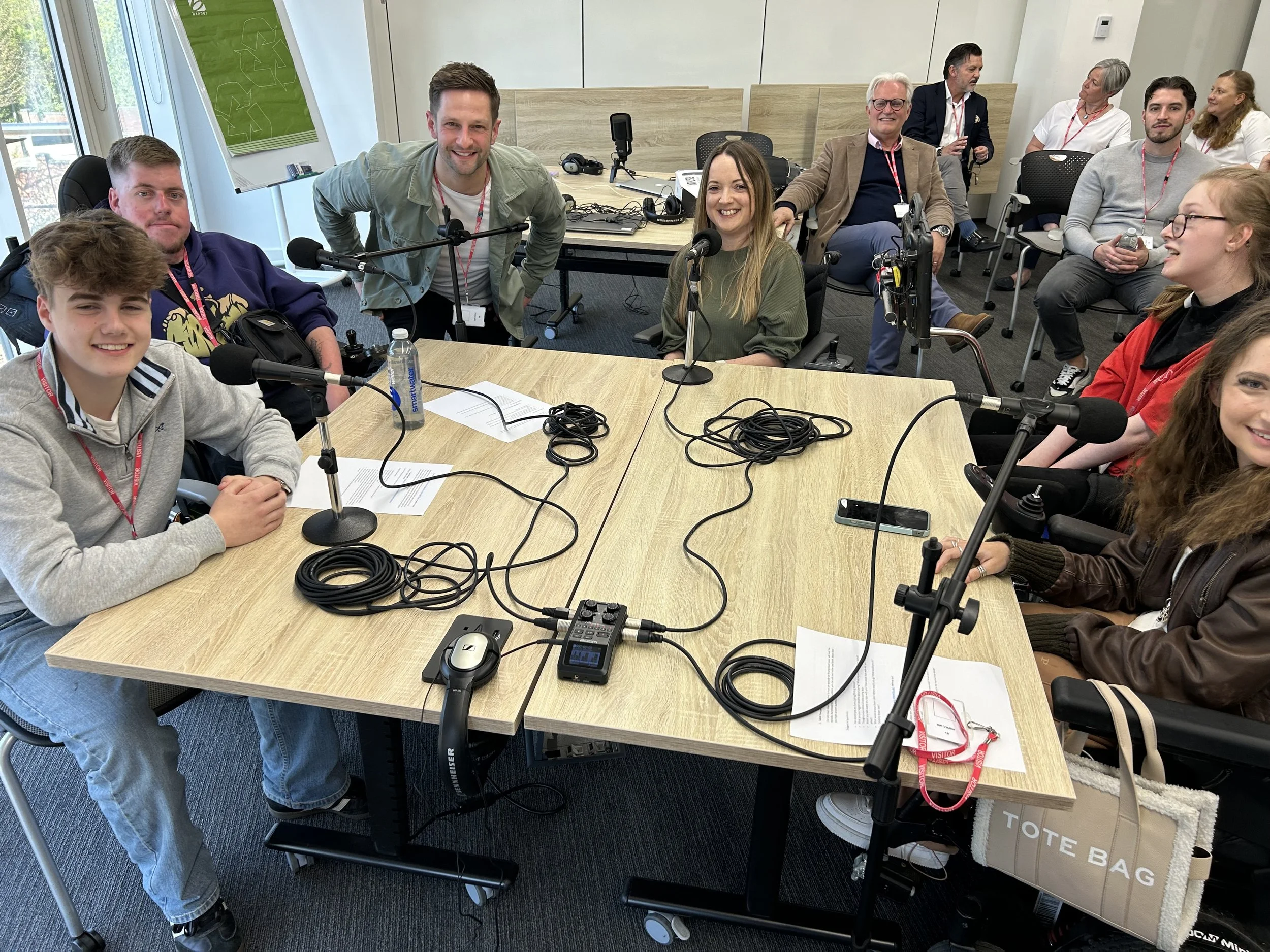
One of the key strengths of media workshops is their inclusive nature. These sessions are designed to engage participants of all abilities, backgrounds and learning styles. By combining creative activities such as radio production, podcasting and storytelling, workshops create an environment where everyone can contribute and feel valued.
Inclusivity in this context goes beyond participation—it ensures that individuals feel heard, respected and empowered to share their ideas. This helps build confidence and encourages wider engagement, particularly for those who may not thrive in traditional classroom settings.
Encouraging Teamwork and Collaboration
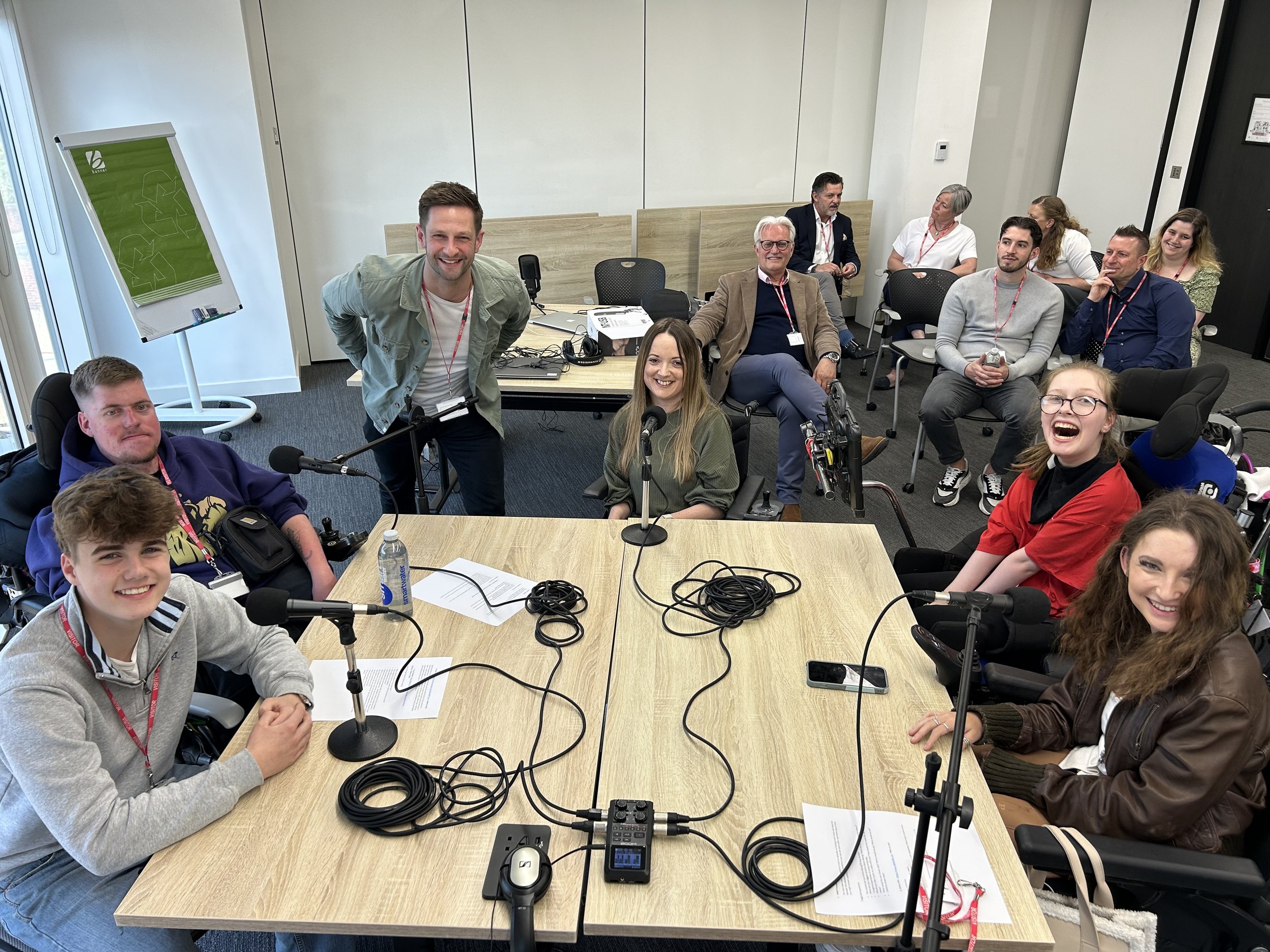
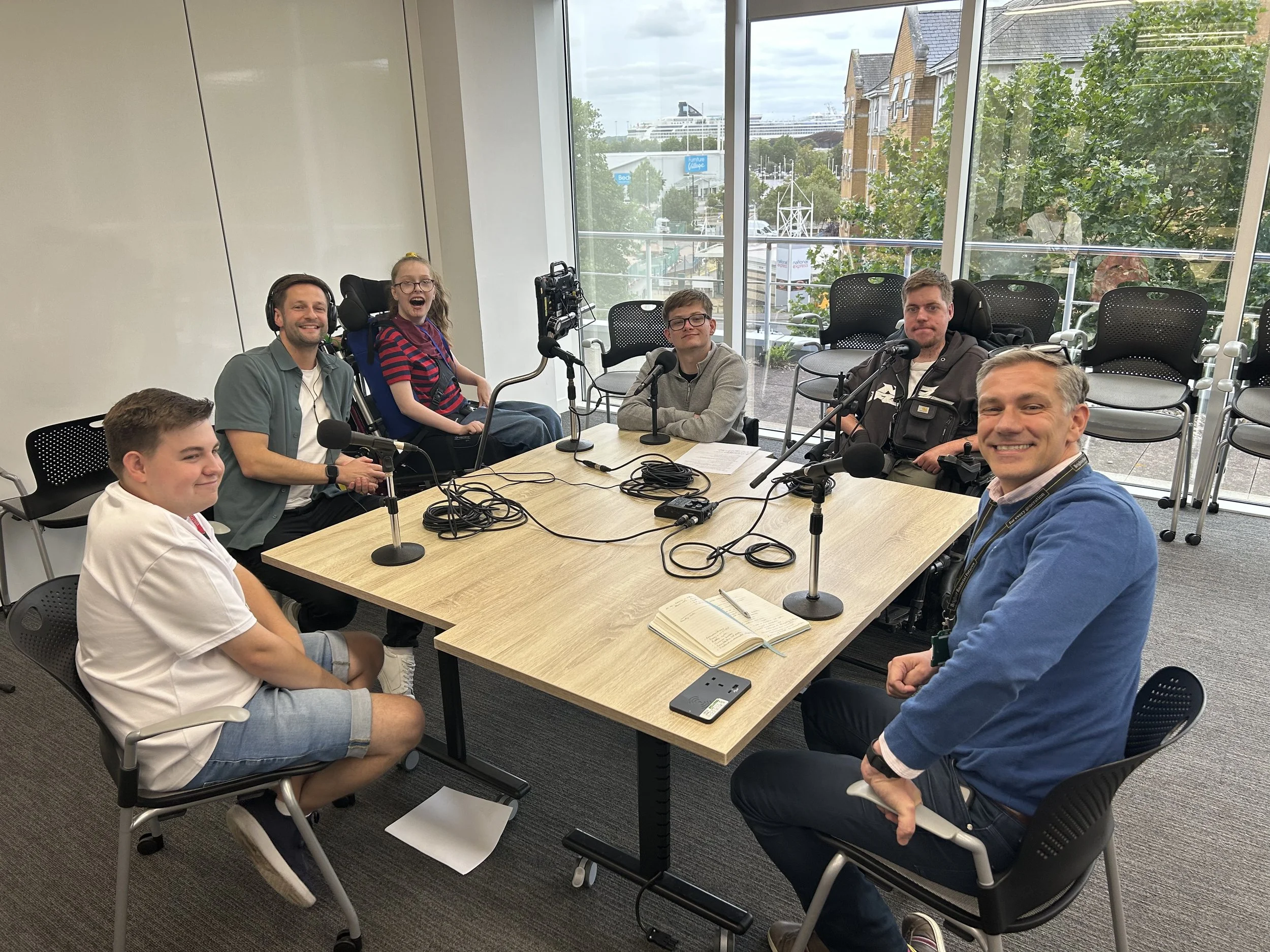
Media workshops are inherently collaborative. Whether participants are creating a radio show, producing a podcast or developing a marketing campaign, they must work together to achieve a shared goal.
This collaborative approach helps to:
Strengthen communication skills
Build trust between team members
Encourage problem-solving and creativity
Workshops often simulate real-world scenarios, requiring participants to take on different roles and responsibilities. This not only enhances teamwork but also mirrors the collaborative nature of modern workplaces .
Developing Transferable Vocational Skills
A major advantage of media workshops is the opportunity to learn practical, transferable skills that can be applied across a wide range of careers. Participants gain hands-on experience in areas such as:
Public speaking and presentation
Content creation and storytelling
Digital communication and media production
These are highly valuable vocational skills that extend far beyond the workshop itself. Media training also helps individuals communicate with clarity and confidence—skills that are essential in both professional and personal contexts .
Interactive and Confidence-Boosting Experiences
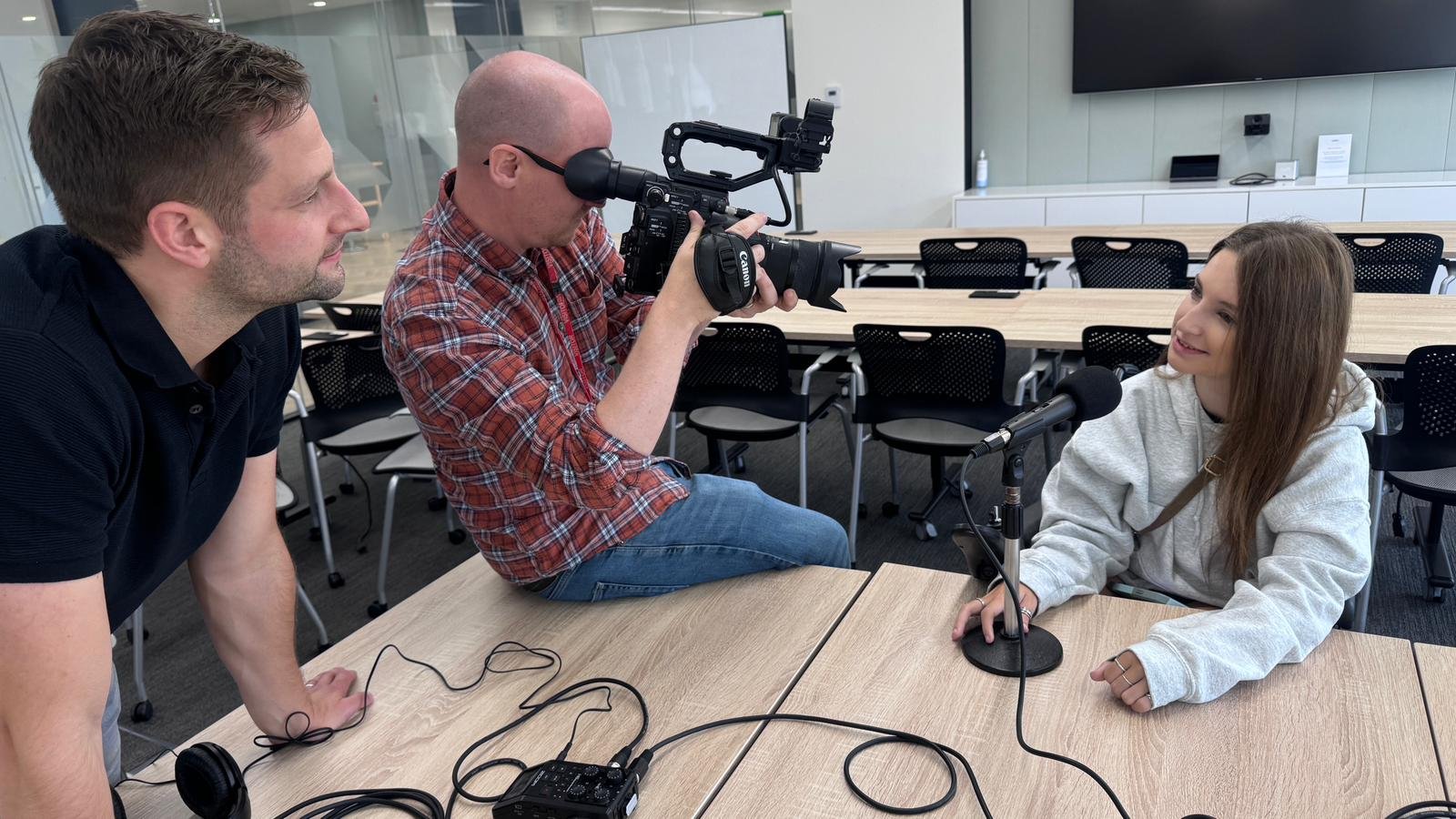
Unlike traditional learning methods, media workshops are highly interactive. Participants are encouraged to actively engage, experiment and step outside their comfort zones.
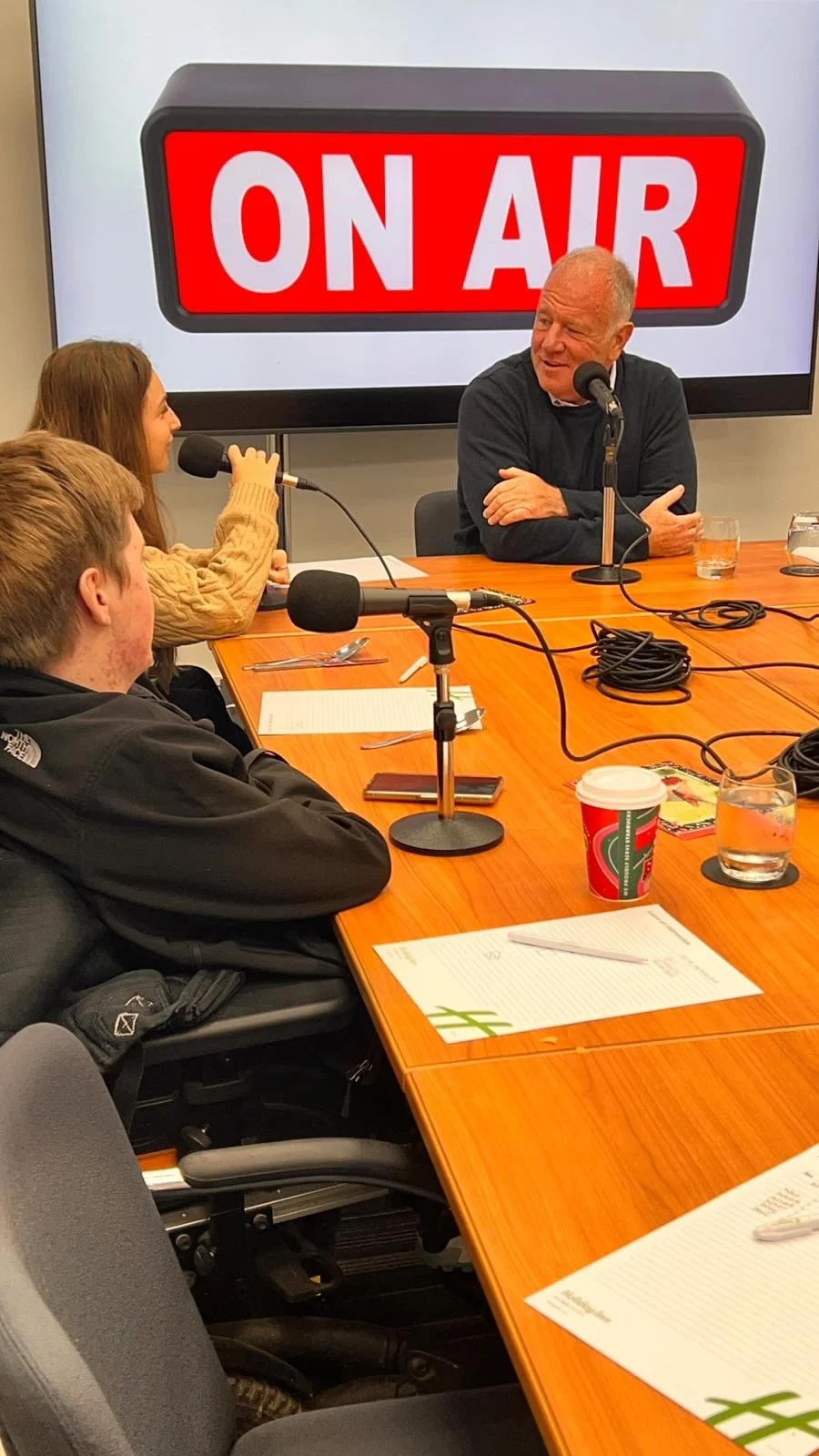
Through activities such as mock interviews, live presenting and group discussions, individuals can:
Overcome fear of public speaking
Build self-confidence
Develop their own voice and communication style
Interactive learning has been shown to improve engagement and retention, making it a highly effective educational approach. Workshops that include practical exercises and real-time feedback can significantly enhance confidence and performance .
Flexible Learning Through Practical Experience